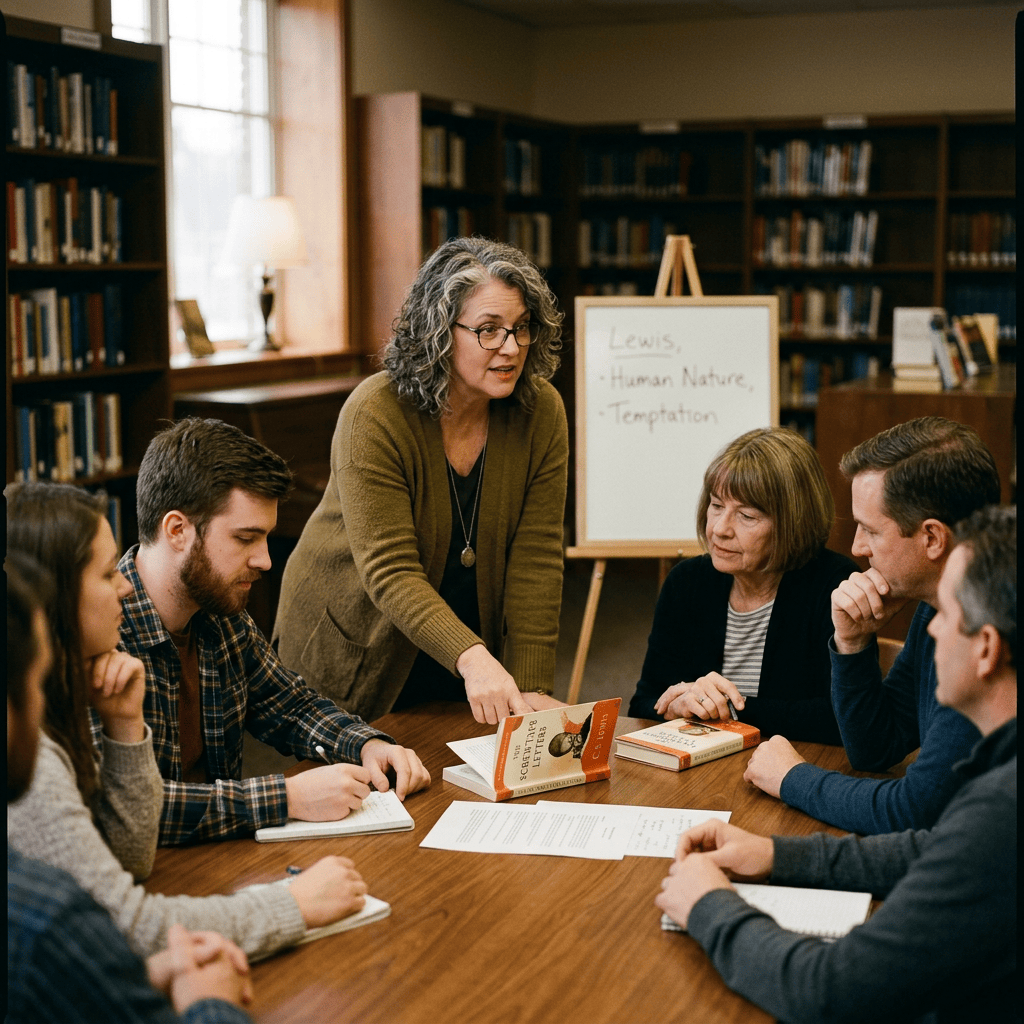
Cynthia and I would like to welcome Lisa to the Silver Sage Sisters family. I have mentioned Lisa several times as my partner in the non-fiction book club we do together. Silver Sage Sisters has tried to bring informative and entertaining blogs to you, and Lisa adds another perspective with her law background. She will also write on other topics as well.
Hello, my name is Lisa. Once upon a time, I was a practicing probate lawyer. I have been retired for a month and a half. My friends, MaryAnn and Cynthia, have kindly invited me to share some of my experiences and thoughts about probate and estate situations.
Terms
I am starting with describing terms that are used in estate planning and probate. This can be a bit confusing. Probate can refer to the court process by which property is passed to others on the death of someone. One’s estate refers to the same probate process; however, the estate planning refers to the planning one does during one’s lifetime. Depending on the state you live in and who you’re talking to, both terms are used in one or both of those ways.
Real Life
Most people hate all those words in that paragraph. It seems to me that this whole process is easier if we think of it as the gift of reducing chaos for both yourself during your lifetime and your family at your death and afterwards. The goal in these processes is to have rules, structure, and function to address your family’s particular needs and to reduce the unknown and the chaos that can happen both in your lifetime and at your death.
The first thing you have to consider is who your family really is. It is important to be honest about different people’s temperament and how they are likely to respond if you need help before or after your death. Part of my job was being the bad guy in helping folks describe to their family why they picked one person over another. We often talked about geography and who was closer to you. Another factor might be in a child’s particular ability and training to handle financial matters. There also might be a situation where one child has small children, and another child has none but has the time to handle these affairs. It also may be the case that if you don’t have a spouse or children, you would rely on friends and more distant relatives to handle your affairs. It is important that they are reliable.
These are not all the factors. Don’t engage in wishful thinking that they’ll do a good job with any of these factors. If you have no other people available to help, your state may have services that you can hire to handle these matters for you. In certain circumstances, you may be able to engage a bank to help you.
War Stories
There was the mother and father who picked two children who hated each other to be the co-personal representatives or administrators/executors as they are known in other states. It took four hours to open the account for the probate process. The bank was so concerned that it required both parties who lived three hours apart to appear at the bank to both withdraw and deposit money. Then there are those who picked people who were dishonest and left nothing in probate for others. These cases are difficult to prosecute if there’s wrongdoing, so it is best to avoid that in the beginning if you can. All this information applies both to the probate process and estate planning.
This is a brief introduction to terminology and some planning gone awry. As always, you should consult with your own local, estate-planning attorney. Concepts provided here may not be relevant in your situation. In future blogs, we will investigate more about probate and estate planning.